What's changing on May 1, 2027

Ontario announced new rules for e-bikes in November 2026. Here's what we know so far, in plain language.

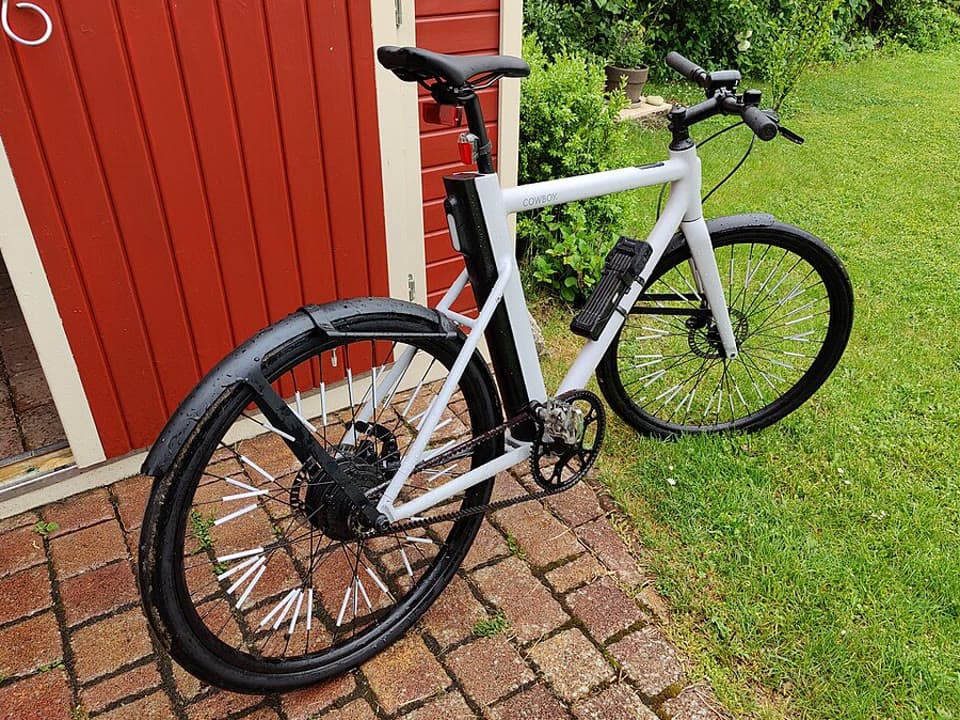
Bicycle style: a normal bike frame with a motor
Stays an e-bike

What stays an e-bike

A bicycle-style frame, pedals that fully work, and a motor that stops helping at 32 km/h. No licence, plates or insurance needed. You must still be 16 or older and wear a helmet. Cargo e-bikes are reported to be unaffected.
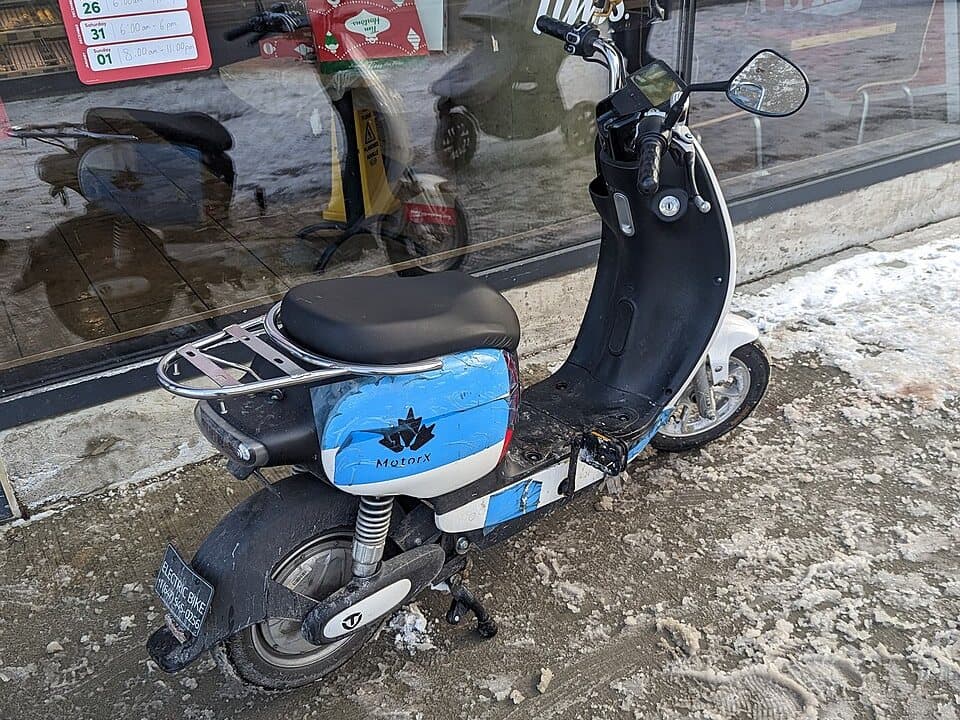
Scooter style: step-through with a floorboard
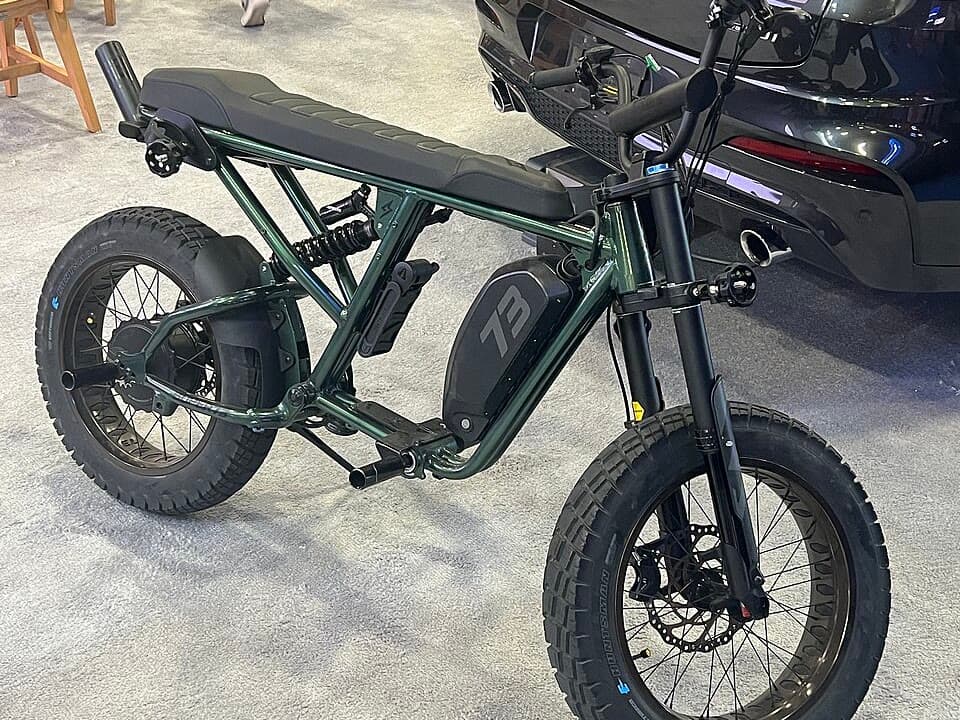
Motorcycle style: big body, looks like a small motorbike
Needs licence, plates, insurance

What needs a licence, plates and insurance

Scooter-style and motorcycle-style e-bikes. The government says these can't be passed off as e-bikes anymore.

Which licence?

An M-class motorcycle licence. Earlier proposals said M, or M2 with an L condition (for limited-speed motorcycles and mopeds). We'll update this page when the final rules are published.

Bike lanes

News reports say these bikes won't be allowed in bike lanes. This isn't confirmed in the official release yet.

Still not known

Whether current owners get extra time, and the final legal details of each definition.

Common questions

Can I just add pedals to my scooter-style bike?

Probably not. The pedals have to fully work and the frame has to be bicycle-style. Pedals bolted onto a scooter body likely won't count.

What if I ride without insurance?

Riding a motor vehicle without insurance in Ontario carries fines of $5,000 to $25,000 for a first offence.

Is an M1 enough for delivery work?

Only partly. M1 riders can ride in daylight only, with zero alcohol, no passengers, and not on most highways over 80 km/h. That rules out evening shifts.

How long does it take to get licensed?

Without a course you must hold an M1 for 60 days before the road test, and road tests run mid-May to mid-October. A course can be faster.

Sources

Rules last checked 2026-11-26

Photos

Ontario E-Bike Rules Explained (May 1, 2027) | KeepRiding